Curated by 2026: I'm Very Into You
Duration: September 17 – October 17, 2026; Tuesday – Friday, 12 – 6 pm; Saturday 12 – 4 pm.
Selected press coverage of the exhibition "I’m Very Into You" is available at the links below:
Whitehot Magazine: The Carnality of Love and Violence, Interview with Cecilia De Nisco and Vincenzo Della Corte for I’m Very Into You at VIN VIN Vienna, by Grace Palmer.
ELLEDecor Italy: A VIENNA, L'ARTE CONTEMPORANEA SI SCHIERA DALLA PARTE DELL'AMORE CON UN'INDAGINE SULLE RELAZIONI, by Valentina Casacchia.
Glass Magazine: Impossible Intimacy: Cecilia De Nisco’s I’m Very Into You at VIN VIN Gallery, by Sadie Pitcher.
Il Manifesto: Indagine sulla vulnerabilità del desiderio by Manuela De Leonardis
Art Monthly: Vienna Round-up: Galerie Krinzinger • VIN VIN • EXILE • Lombardi-Kargl • Galerie Kandlhofer • Crone Wien, by Chris Clarke
MONOPOL Magazin für Kunst und Leben: Spezial. Wien. Einigkeit Siegt: Die Wiener Galerien überraschen mit dem Piloten der neuen Kunstmesse Astoria Artshow, parallel zum Galerienfestival Curated by
Contemporary Art Daily Cecilia De Nisco, Lydia Silvestri: I’m Very Into You
Exhibition with Cecilia De Nisco and Lydia Silvestri
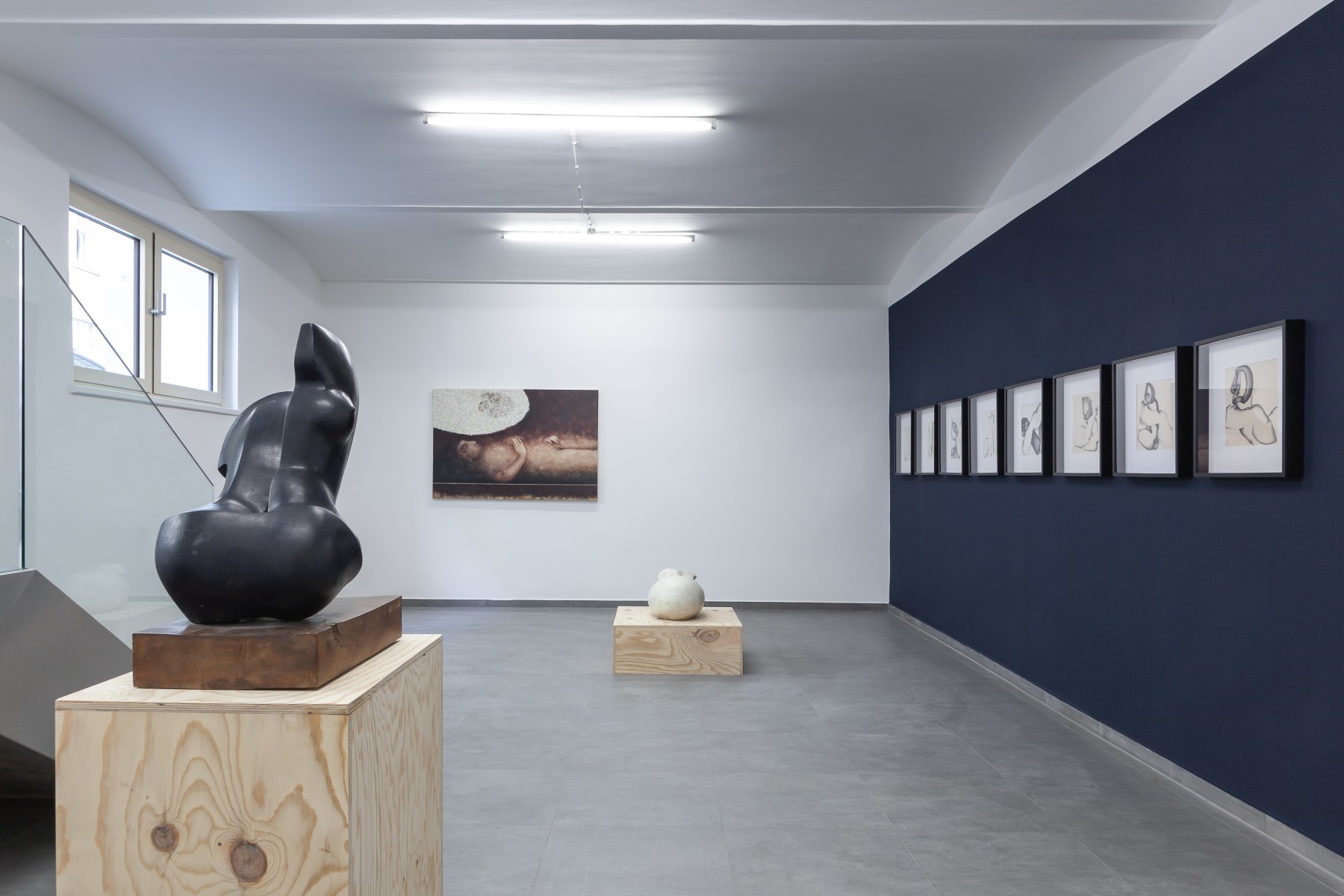
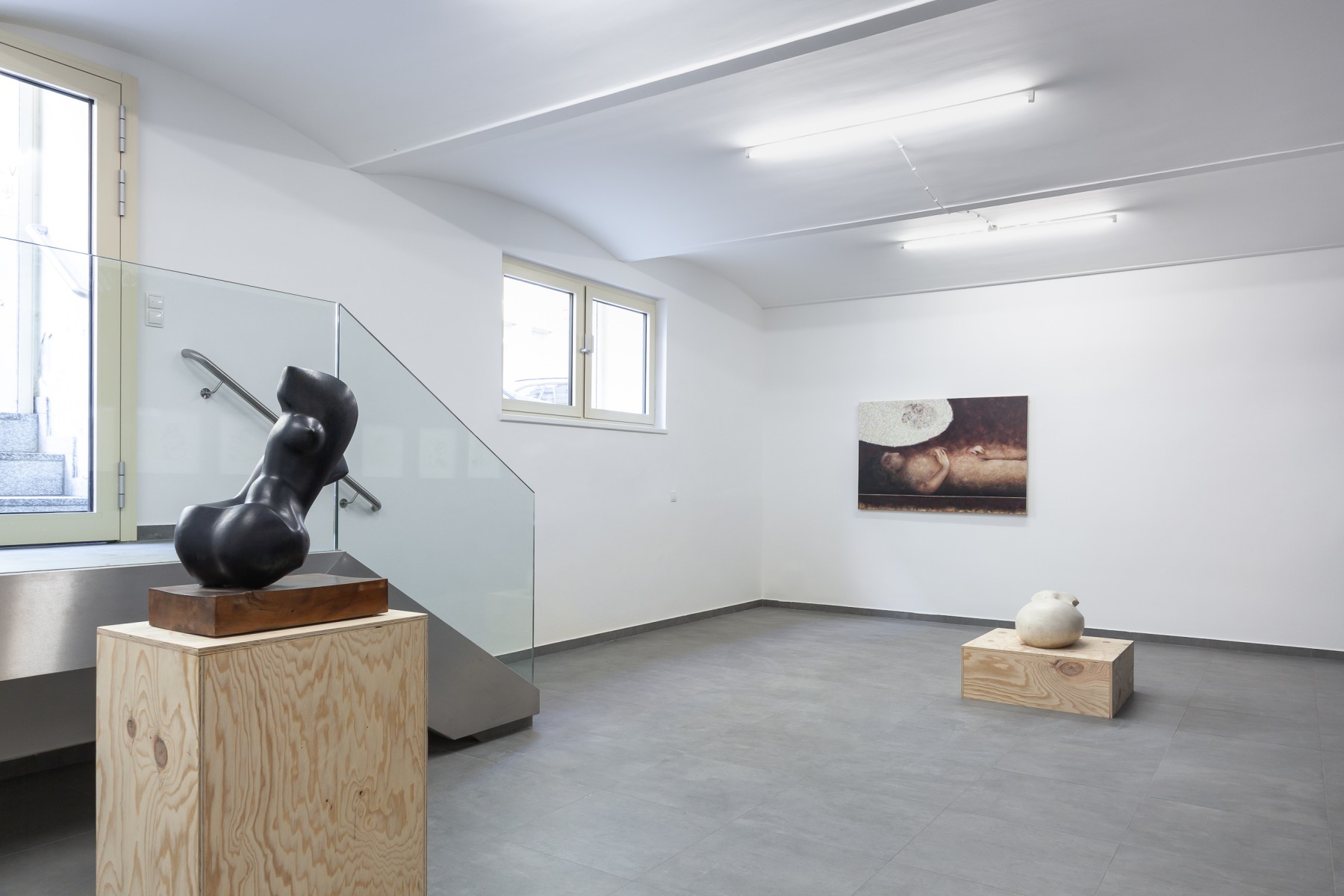
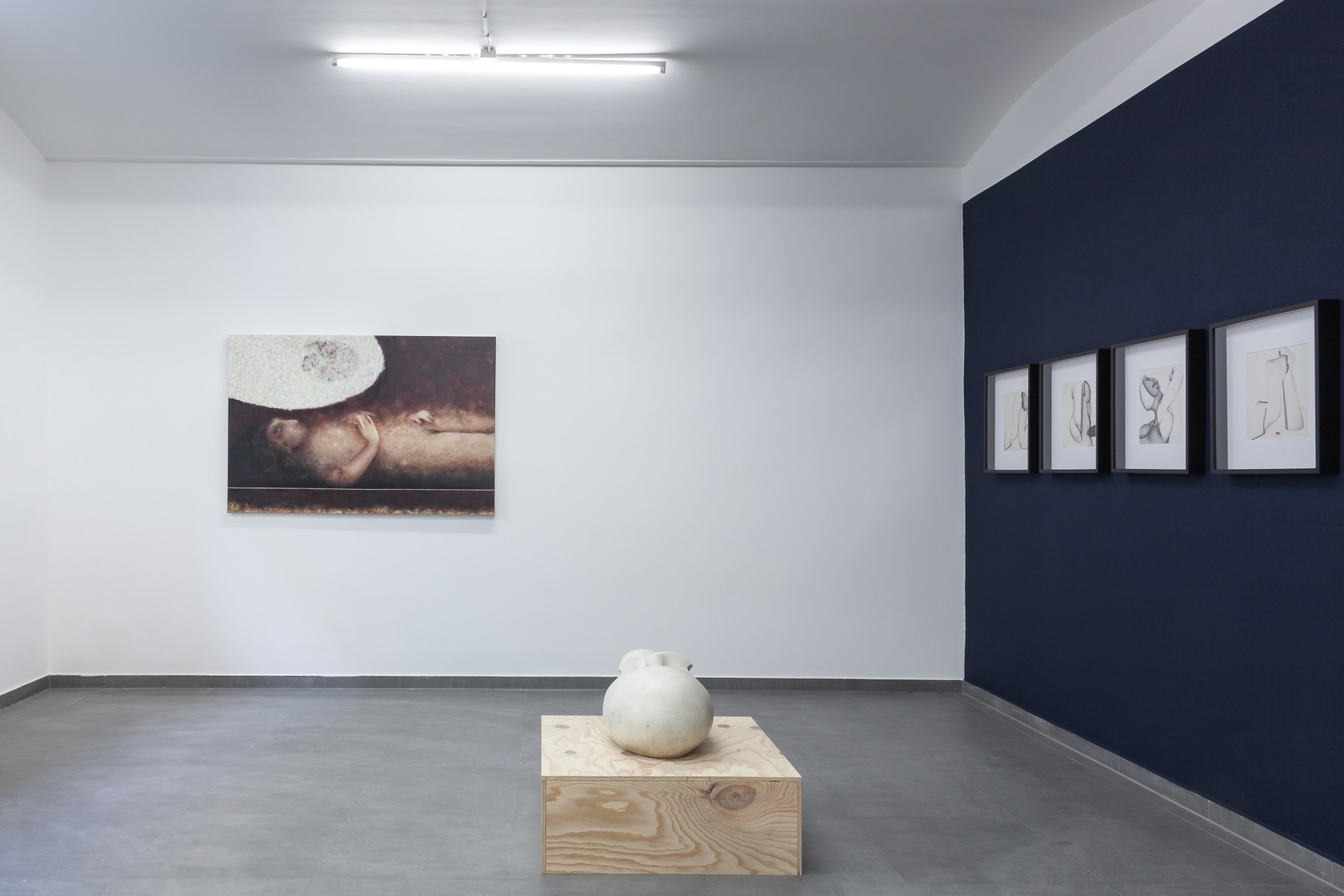
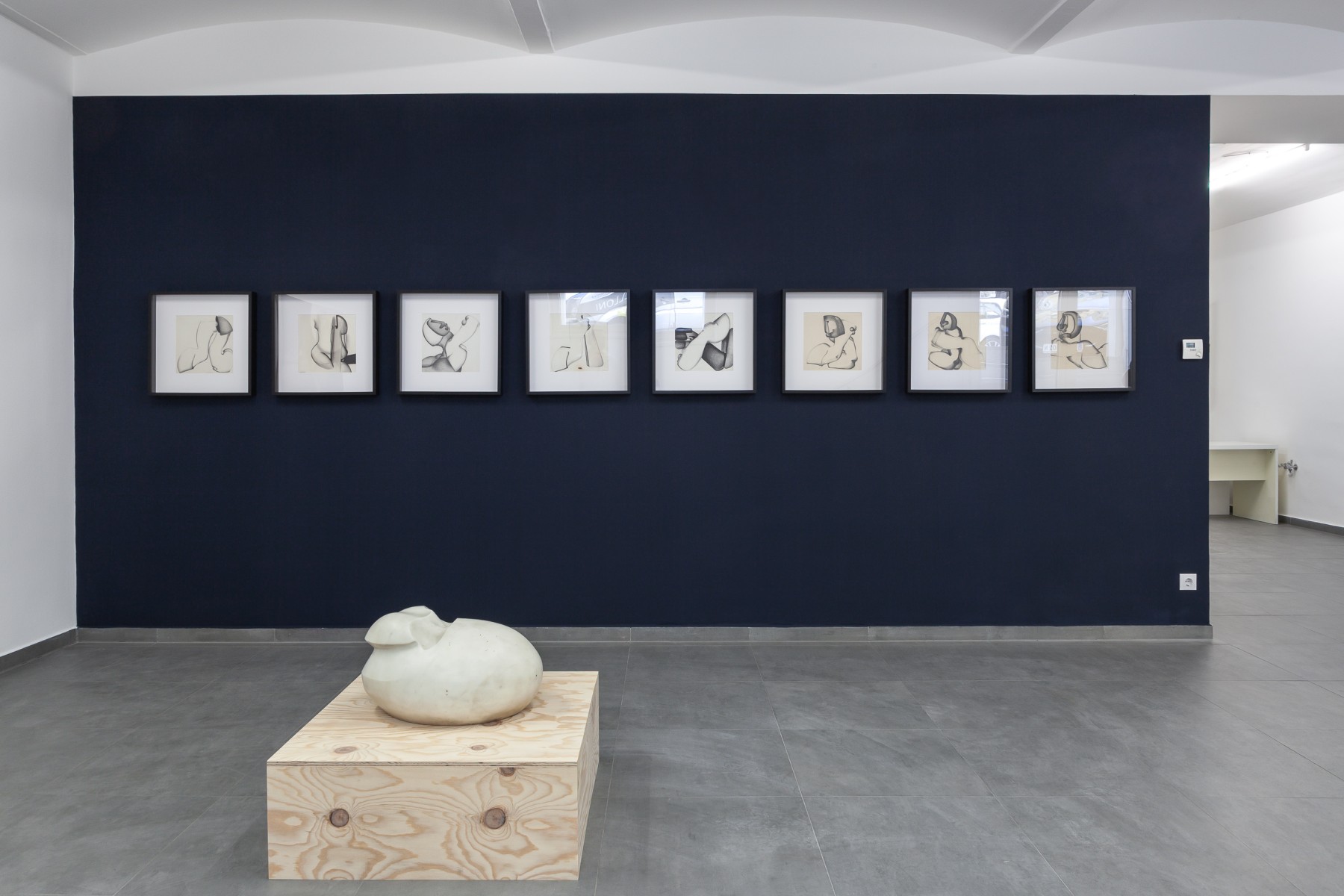
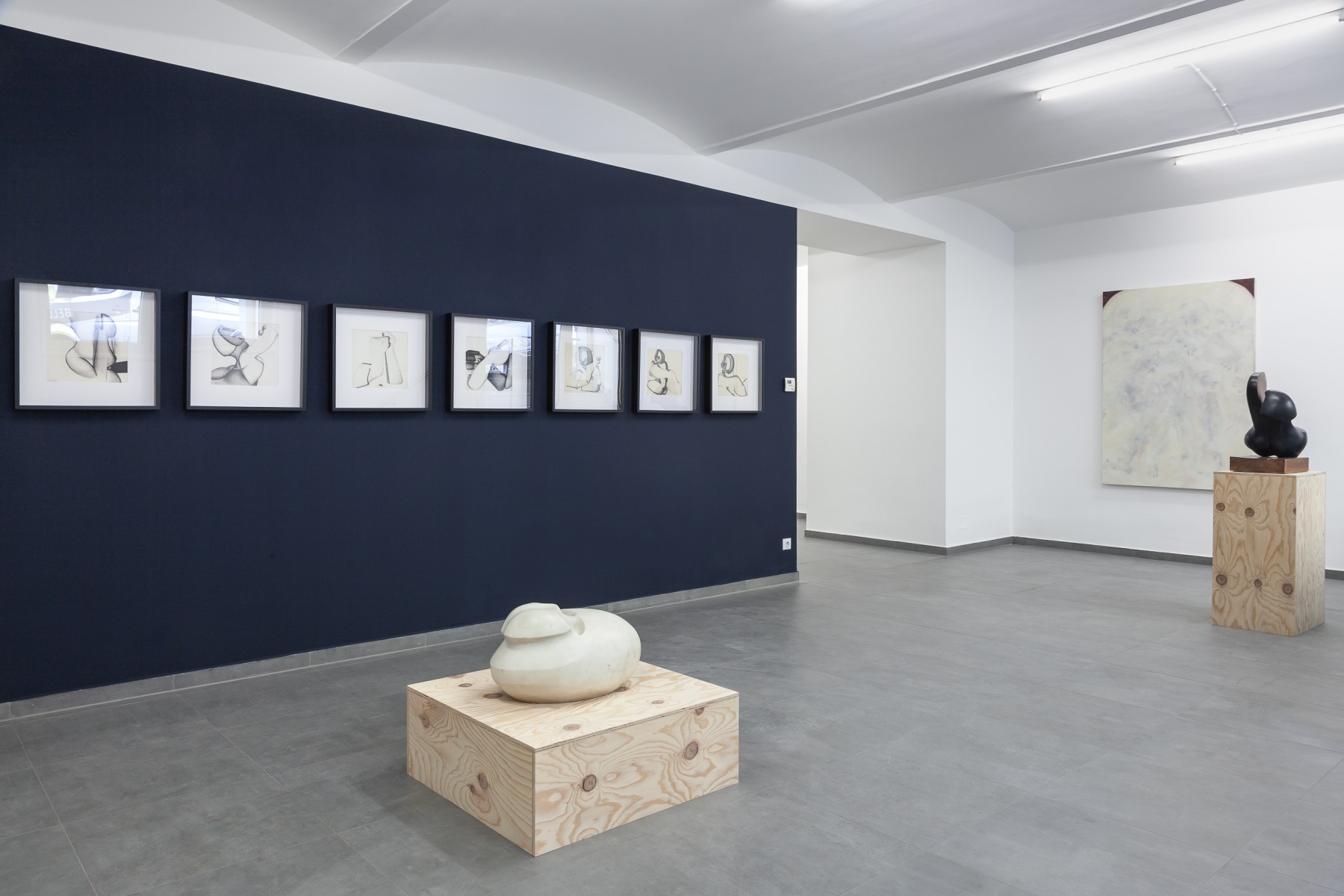
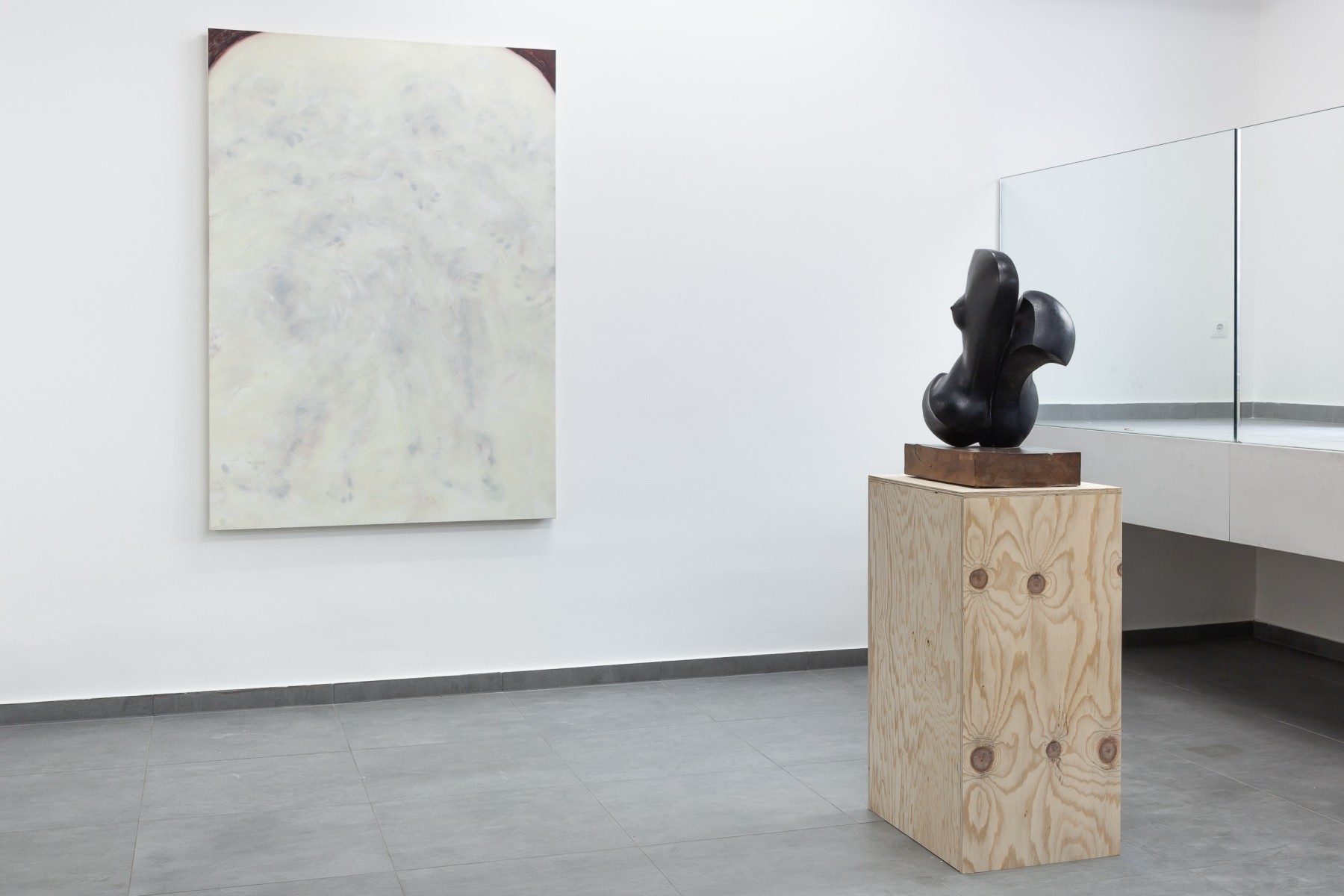
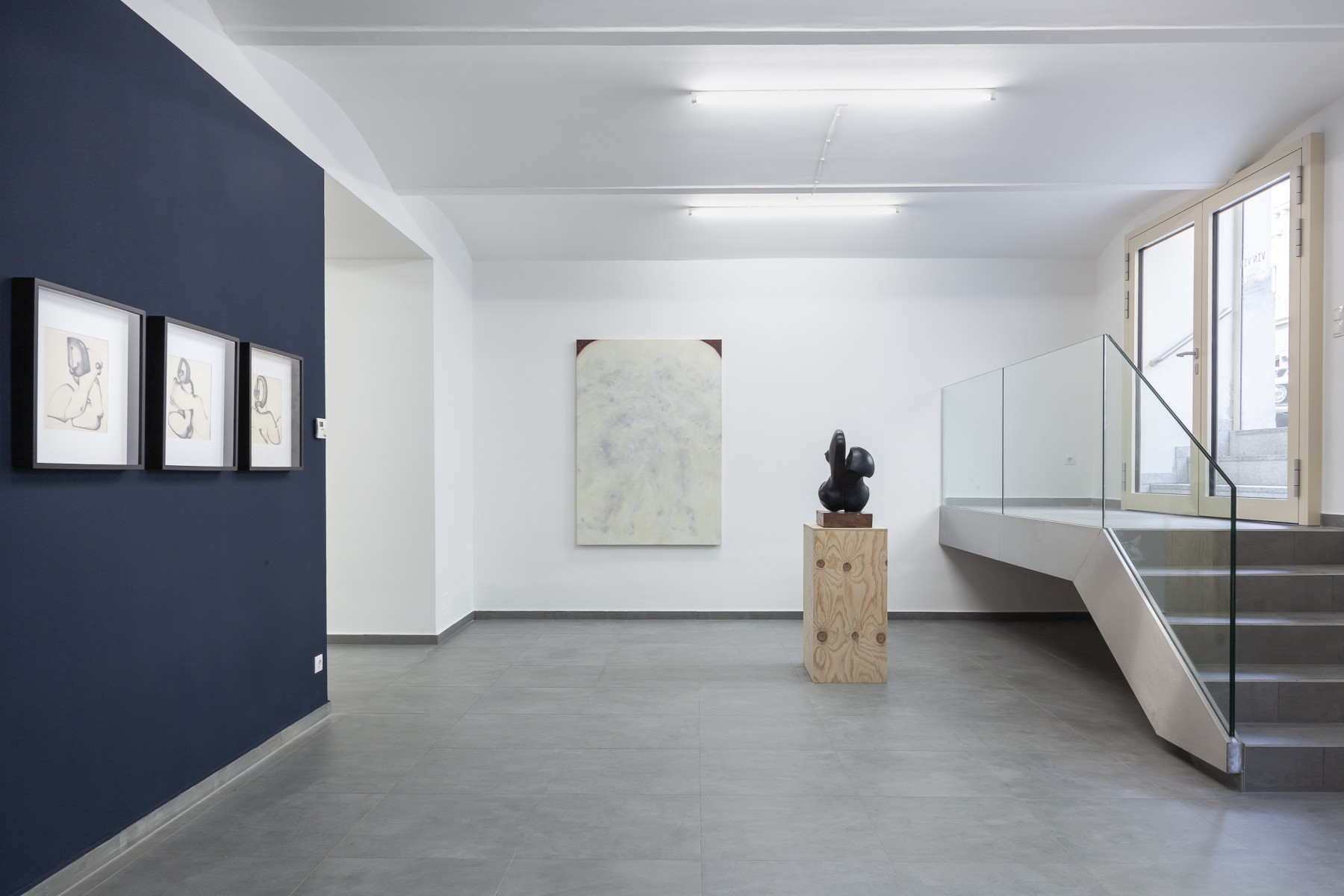
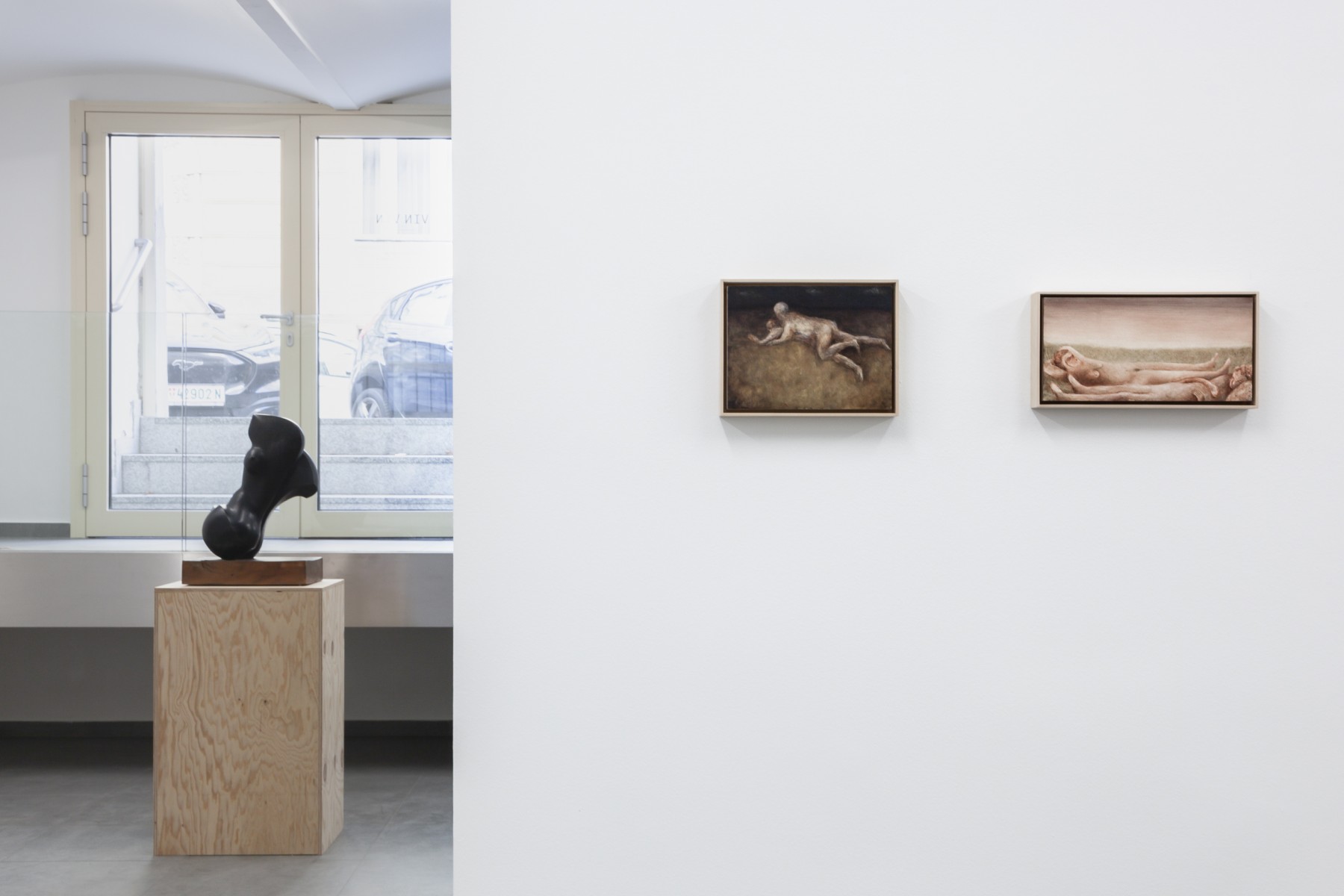
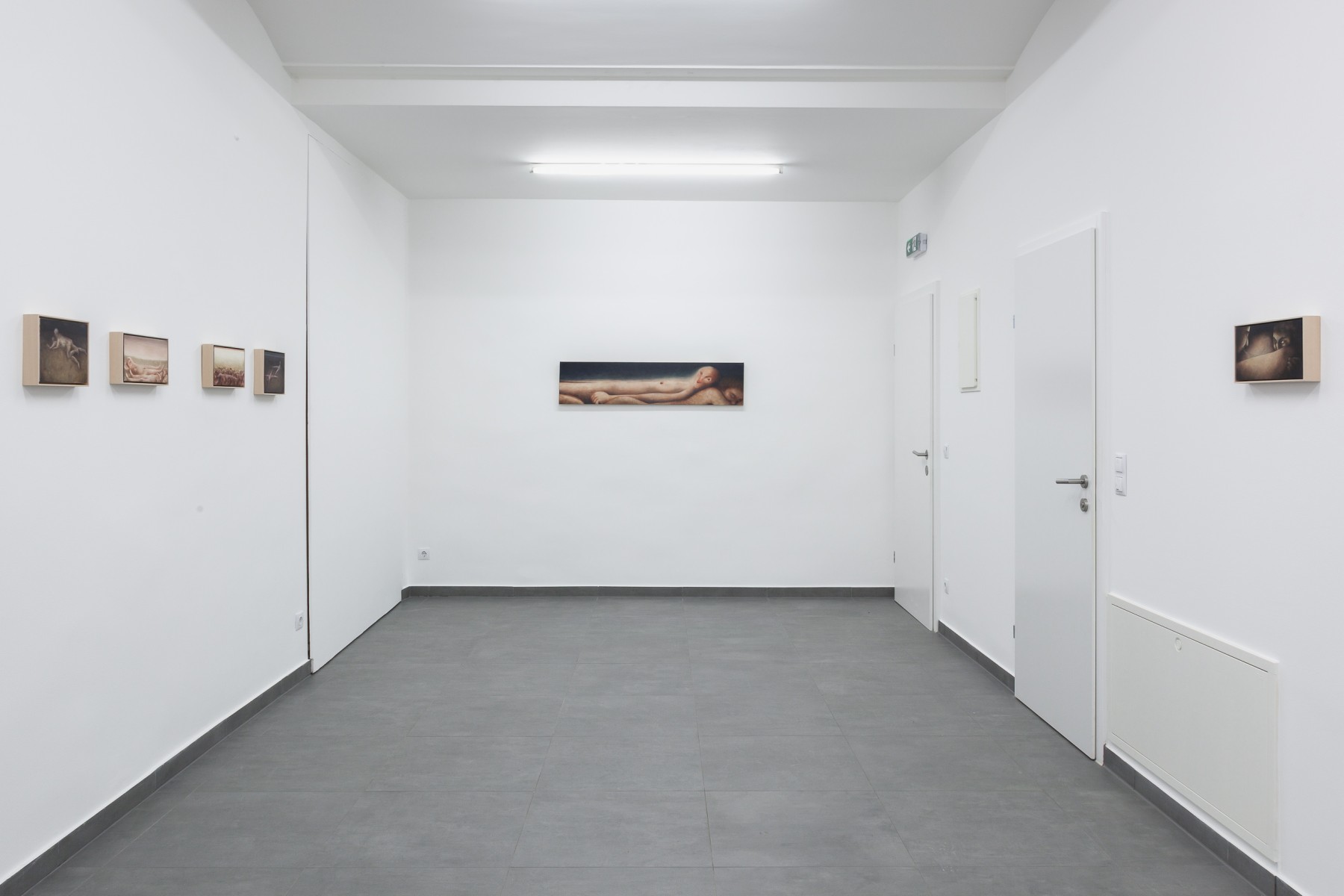
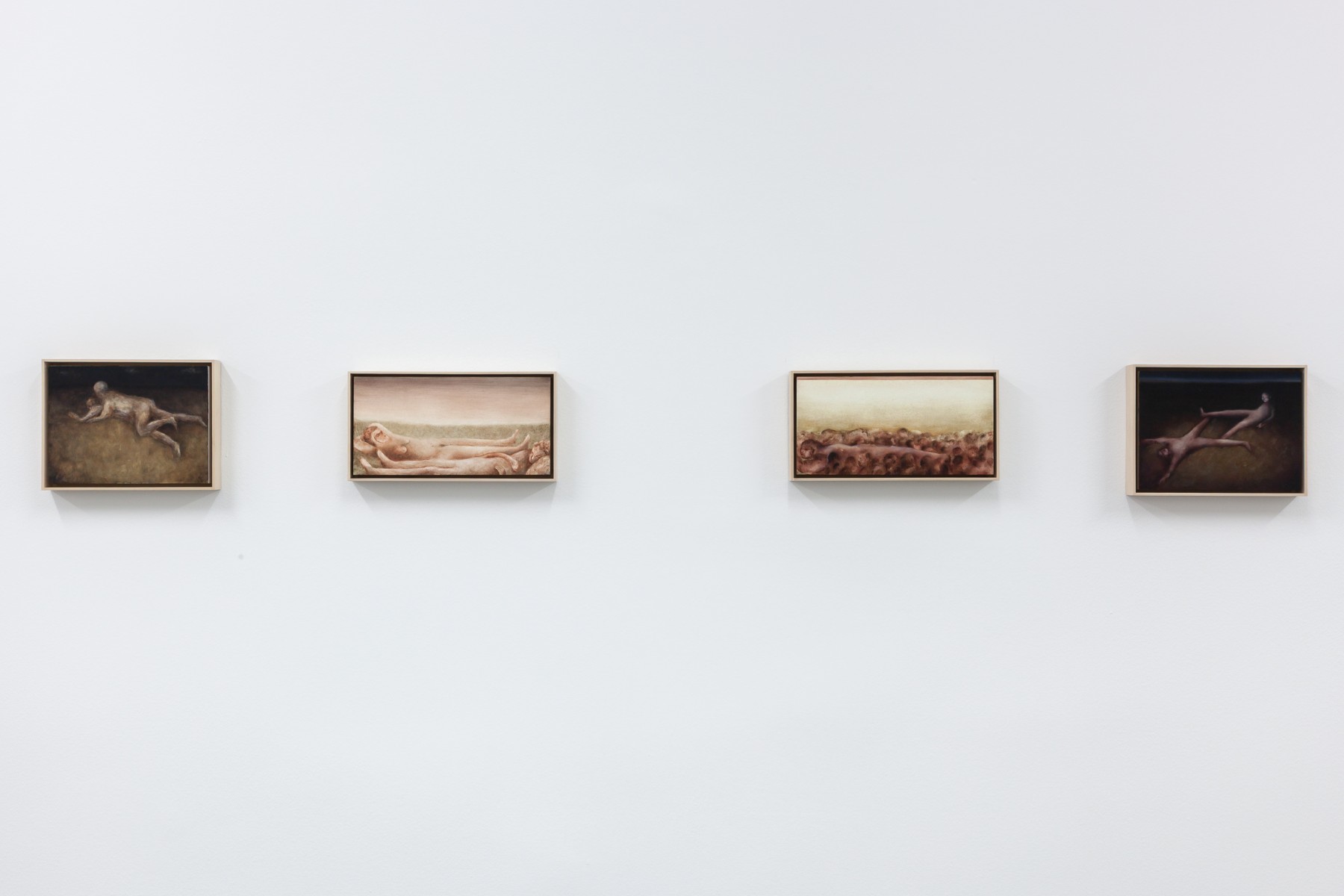
I’m Very Into You is the meeting point between the works of two Italian artists of different generations, Lydia Silvestri (Chiuro, 1929 – Rozzano, 2018) and Cecilia De Nisco (Parma, 1997). The exhibition borrows its title from the collection of emails exchanged in 1995 between two writers, the American Kathy Acker and the Australian McKenzie Wark, published by Semiotext(e) in 2015. The two barely knew each other, and their relationship lasted only a few weeks after the correspondence ended. In that dense exchange of emails, sent from opposite ends of the world over just two weeks, Acker and Wark confide in one another, expose their vulnerability, unmask themselves, and reveal themselves. In a word, they seduce each other with an intensity only strangers can reach. It is a seduction that enacts a struggle for intimacy which is also a struggle with intimacy. Intimacy, and how much we can have of it and make of it, is at the core of this conversation: Acker and Wark move within a limbo, undecided between desiring and being desired, seducing and being seduced. Their roles keep slipping, “going high low, power helpless even captive, male female, all over the place”; the body becomes written language, and desire turns into a question of power and role-play: “I know what you mean about slipping male/female I never know which one I am I used to get all worried about myself, I should make decisions, announce a name, and at some point I just gave up ‘cause it’s too difficult”, Acker writes. Then, as in an inevitable chemical reaction, emotion precipitates and settles into a simple, revealing sentence with which Acker closes one of their last exchanges: I’m very into you. An ambiguous declaration: on the one hand it discloses a deep feeling, a willingness to surrender; on the other, the desire to be inside the other, and therefore to possess them.It is this ambiguity between feeling and possession, between wanting to lose oneself in the other and fearing not to find oneself again, that Lydia Silvestri and Cecilia De Nisco convey through their works, sixty years apart. In the exhibition, Silvestri’s sculptures Ex Voto: Per un amore perduto e ritrovato (1965) and Ermafrodita (1972) give material form, from their very titles, to the ambiguity underlying her entire practice – an ambiguity that would later take shape in the more recent series Ambiguità (1992-1998), about which the artist stated: “Ambiguity should be understood as truth in the widest sense, something available to various interpretations”. In the same way, some years before, the drawings for the Incontri, studies related to the stoneware sculptures modeled in the early 1980s, embody what her critics had already called an “erotic constant”: figures intertwined in an amorous struggle, where attraction and fury, tenderness and mineral hardness coexist within the same form. It is Catullus' odi et amo translated into matter: spines and curving hips that stretch, knot, and stiffen. Trained at Brera under Marino Marini, Silvestri made the body – pushed toward a semi- abstract synthesis between myth and sacred narrative – a place where eros and conflict cannot be distinguished. De Nisco paints, in her own words, “people doing absolutely nothing”: bodies in movement fixed in a suspended instant, in which the subjects’ intentions remain illegible, poised between desire and violence. Her painting escapes every category, every perimeter of meaning. “The canvas feels to me like a space where you can do what you don’t allow yourself to do in reality”, the artist has said, “and even when you do it on canvas you are not being completely sincere”. It is a struggle between desire, will and denial that surfaces in every work: De Nisco paints and then conceals, concentrates attention and light on a single point only to draw it away and divert it elsewhere, showing and hiding in the same gesture, as happens in the two canvases in the first room, Three faces and Tracing an unmade bed, where the paintbrush pushes towards abstraction while still letting us glimpse the traces of the bodies that gave those abstractions their form. The four oil-on-board works titled Lotta tra galli, Tregua, Gli spettatori della miseria and Prima erano più affilati carry that tension into the landscape. The first shows two figures on top of each other, seemingly intertwined, their forms flowing into one another without clear distinction; the position appears ambivalent, a mixture of devouring in an act of primal lust and a gentle shower of affection.In the second, two figures lie together in indolence: they face opposite directions yet appear to be in unison in their idleness, seemingly merging into the landscape itself. In Gli spettatori della miseria, bodies accumulate until they become terrain: barely recognizable faces surface from a compact, rose-coloured mass that occupies the entire horizon line beneath an empty sky. In Prima erano più affilati, finally, two bodies stretch across a dark ground, their limbs taut and pointed like blades the title already remembers as blunted: they do not embrace but intersect, and the crossing of their legs remains the only contact available. In Intuizioni #1 (2026) the motif of bodies and landscape is expanded: two figures dominate the large canvas, their presence itself forming a kind of living landscape, and the work explores the tentative yet luminous nature of physical closeness, conveyed through the radiance of the upper figure, while holding a quiet distance in the sleeping counterpart’s oblivion. On the adjacent wall, the oil on board L’incontro (2026), which from its very title acts as a counterpart to Silvestri’s Incontri, depicts two faces caught in a fleeting snapshot of claustrophobic motion, illustrating the endurance of closeness through an exposing brightness caught between them, and the interplay of initiating and withstanding intimacy. The sequence closes with Sleeping bag (2026), a monotype on wood in which a face emerges, partially buried in intertwined limbs of uncertain origin, its expression suspended between mature depletion and childlike stupor, reflected in a soft, warm palette that balances delicate tones with more visceral hues. Placed in dialogue, Silvestri and De Nisco share the same refusal: to represent relationships and love as something reassuring and unchanging. Like the reader of the letters in I’m Very Into You, whoever looks at these works is never an innocent witness: their gaze violates a private space where play, sensuality, and domination blur into one another. In their bodies, sculpted or painted, as in Acker and Wark’s emails, intimacy is never harmony, but exposure, risk, loss of control. I’m very into you: the moment when surrendering to someone also means no longer entirely belonging to oneself. - Marta Papini |